The current trade war, predominantly between the United States and China, has sparked a weird focus on the number of dolls or pencils American kids need to get by on. U.S. tariffs on Chinese goods have jumped from 10% to 30% then to 145% before being wound back to 30% for the next 90 days, effectively without any real concessions on either side.
U.S. right wing media and commentators have crowed about how this is a masterstroke, that the U.S. has the upper hand in these negotiations and they ‘hold all the cards.’
All except the card that arguably really matters – rare earth elements or REEs.
China has been the dominant producer of rare earth oxides, and particularly those used in permanent magnets, for well over 25 years. It controls over 95% of the refining and production of these elements that are critical for electric vehicles, wind turbines, electronics and key military applications.
Without access to REEs, technological advancement slows, dramatically. China knows this, as does the rest of the world.
Back in 2011, an isolated incident between a Chinese fishing trawler and the Japanese Coast Guard set off a series of political disagreements that effectively (but not formally) restricted Japan’s access to REEs. This sparked panic, initially in Japan but then elsewhere, that saw the prices of key REEs spike as stockpiling occurred.
Dysprosium oxide rose from around US$300/kg in mid-2010 to over US$2,800/kg by mid-2011. Neodymium oxide surged from about US$40/kg in early 2010 to nearly US$500/kg. Lanthanum oxide, used in catalysts and batteries, saw prices jump from US$5–$10/kg to over US$100/kg.
The spike was relatively short-lived with substitution and overhoarding resulting in prices softening over the next six months, however it highlighted how dependent customers were on China.
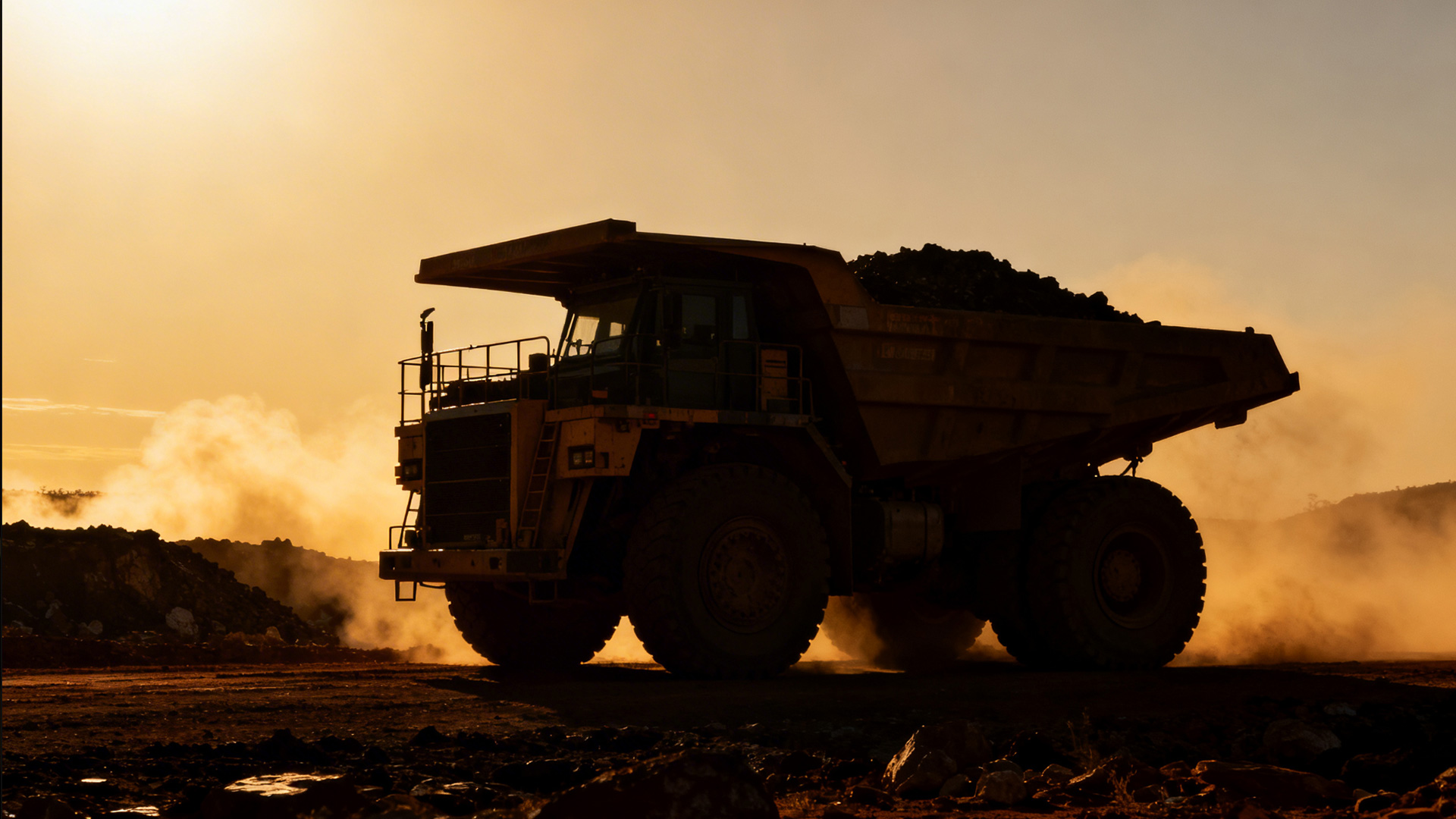
Fourteen years on and not a lot of headway has been made into breaking this monopoly. Lynas Rare Earths is Australia’s only main producer of REEs from its Mt Weld mine near Laverton in Western Australia. Hastings’ Yangibana Project is being built, and Northern Minerals’ Browns Range heavy REE project is being fought over by Chinese and Australian interests.
Iluka has been given a bucket of taxpayer money (and then some) to build a rare earth refinery at its Eneabba Project, capable of treating ore from a number of projects and the Australian Government has proposed the establishment of a strategic critical minerals stockpile.
These are steps in the right direction, however as yet, they have hardly moved the needle. China has the experience, technology and comparatively less stringent environmental constraints that allow the REE sector to flourish there. These are relatively high barriers to entry that has prevented the major miners from taking a major position. China, as the monopoly producer, effectively gets to set the REE prices at levels that it can exploit but not high enough to entice significant new players.
Indeed, just recently it announced that it was imposing export quotas aimed at protecting its position. Adding to its position, Peak Rare Earths announced on Thursday that it had agreed to a takeover by Scheme of Arrangement with Chinese REE producer, Shenghe.
The market domination by China and lack of penetration by western companies provides China with the ultimate ‘wild’ card in tariff negotiations. President Trump and the right-wing media might not be talking much about it, however the U.S. retreat from tariffs of 145% to 30% without any meaningful gains, indicates that those in the room are highly aware.
The seesaw movement of tariffs and policy development on the fly does nothing to instil confidence in new investments, particularly if that new investment requires technology dependent on REEs. Whilst a rebalancing of the REE sector would be welcome, relative inaction over the past 25 years indicates there is a long way to go before the China ‘wild’ card can be nullified.