With global demand for nuclear energy rising, questions are being raised about whether it’s time for Australia to reconsider its uranium mining bans and policy roadblocks. In Queensland, calls to lift the long-standing ban are gaining traction while in Western Australia, multiple advanced projects remain in limbo due to ongoing regulatory uncertainty. As nations seek secure, low-emission energy sources, what would enabling uranium mining in these jurisdictions mean for the states, national economy, and Australia’s global standing in the nuclear fuel market?
The debate over uranium mining in Australia has long been shaped by political caution and environmental concern. Yet, with a growing global appetite for nuclear energy as a reliable, low-carbon complement to renewables, pressure is mounting to reassess restrictive state-level approaches.
In Queensland, uranium mining is currently banned through a policy reinstated in 2015 by the Labor government after briefly being lifted in 2012. Advocates argue the state is missing a strategic opportunity to monetise globally significant resources. Central to the discussion is the Valhalla uranium deposit near Mount Isa, which hosts a measured and indicated resource of 63.5 million pounds of U₃O₈ (approx 24.5 tonnes of uranium), making it one of the largest undeveloped uranium assets in the country. Despite its scale and development readiness, Valhalla remains idle, stranded by a policy environment out of step with global energy trends.
On the other hand, Western Australia doesn’t enforce a formal uranium ban, but the situation is far from straightforward. The current state government has prohibited approvals for new uranium mines and is only allowing four legacy projects to proceed under previous environmental approvals, being Cameco’s Kintyre and Yeelirrie, Deep Yellow’s Mulga Rock, and Toro Energy’s Wiluna projects. Even among these, progress has been uneven. Mulga Rock, the most advanced, achieved substantial commencement in 2021 and is now the focus of a revised Definitive Feasibility Study targeting first production by 2028. The other projects, remain effectively frozen, victims of shifting political winds and regulatory ambiguity. This “stop-start” environment has deterred sustained investment and delayed Australia’s contribution to solving a well-defined global supply challenge.
Conversely, South Australia and the Northern Territory allow uranium mining and export under clear federal and state regulatory frameworks. South Australia hosts BHP’s Olympic Dam, one of the world’s largest polymetallic operations, where uranium is produced as a by-product of copper mining. Though uranium isn’t the primary driver, Olympic Dam consistently contributes to export revenues and global supply. The Northern Territory has historically been home to key uranium projects such as Ranger (now closed) and Jabiluka (undeveloped), which serve as examples of how uranium operations can coexist with environmental safeguards and Indigenous engagement protocols.
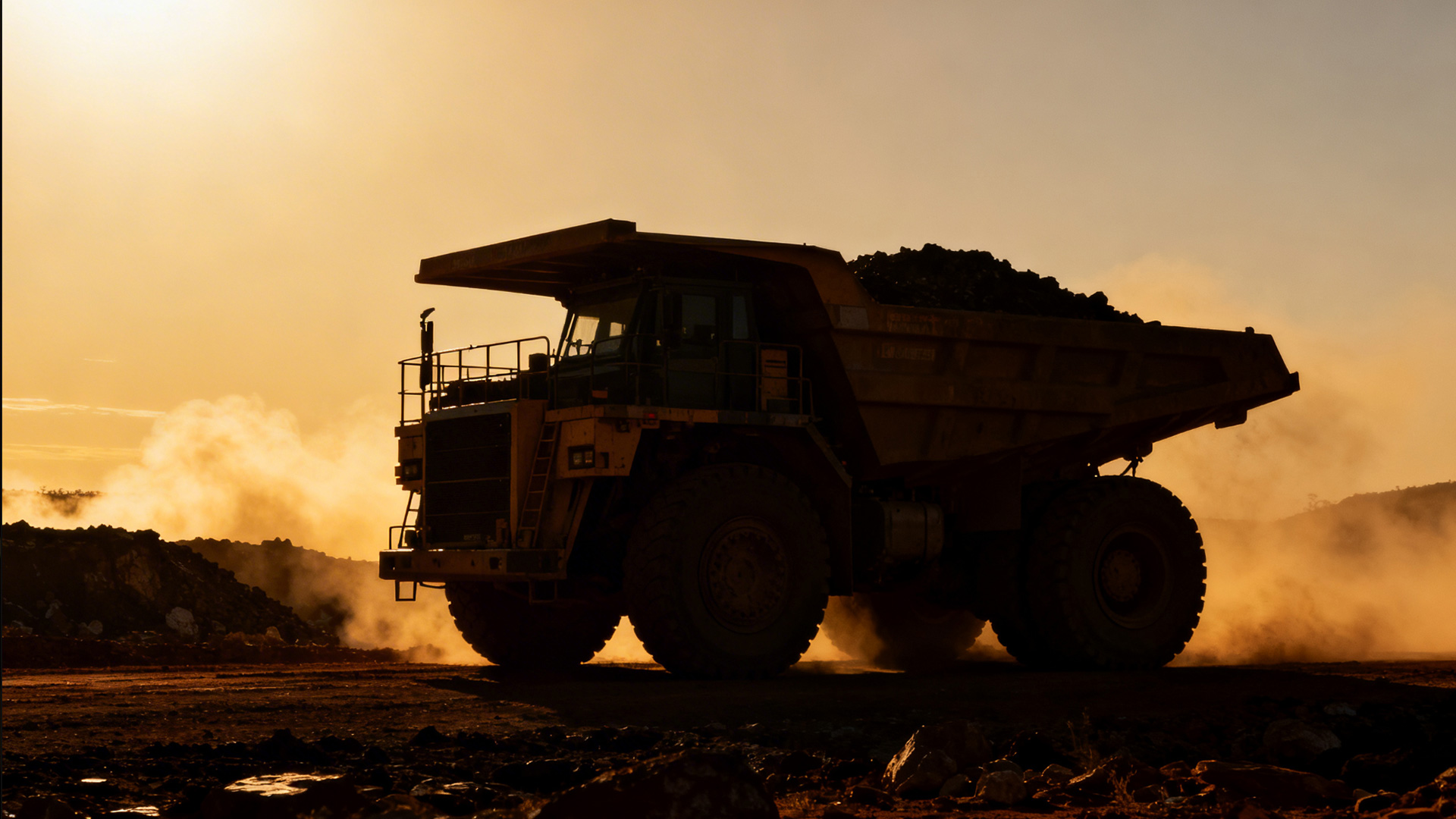
Unlocking uranium in Queensland and removing political barriers in WA would reinvigorate exploration and development, particularly in regional centres like Mount Isa and the WA Goldfields. The knock-on benefits to local economies through geophysics, drilling, environmental science, and logistics could be substantial. Policy clarity would also enable junior explorers and developers to raise capital and advance dormant tenements, stimulating new investment across the supply chain.
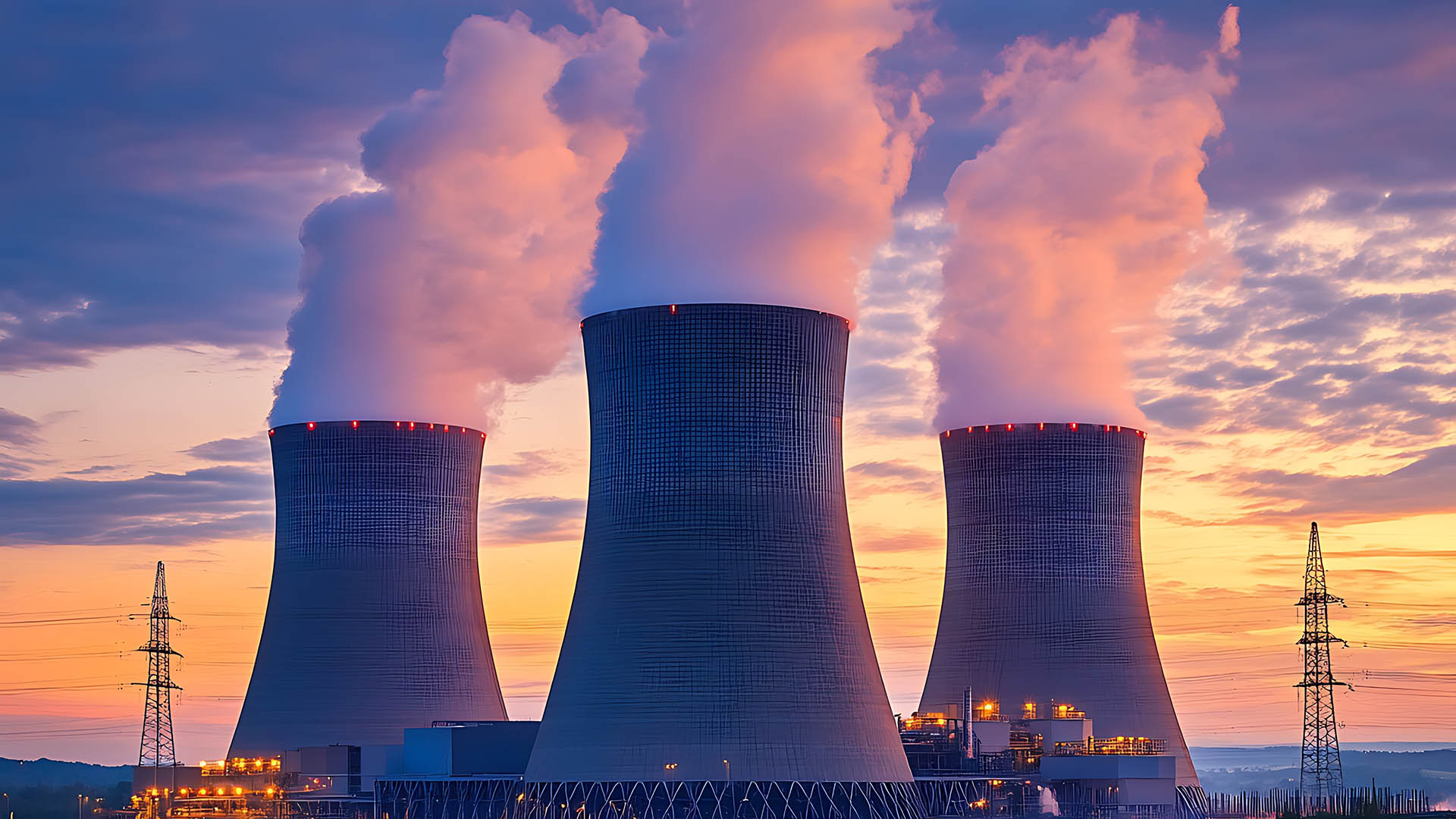
Internationally, Australia ranks first in known recoverable uranium resources, holding roughly 31% of the world’s total. Yet it clearly lags as a producer, typically supplying only 10–13% of annual global uranium output. Countries with expanding nuclear fleets, particularly in Asia, Europe, and the Middle East, are actively seeking uranium from stable, transparent jurisdictions. In this context, Australia’s geopolitical reliability and resource endowment represent untapped strategic value.
However, realising this potential requires more than favourable geology. It demands political will, regulatory consistency, and a reassessment of assumptions from yesterday’s energy era. Whether Australia chooses to remain on the sidelines or reassert itself as a top-tier uranium supplier is a decision with implications that extend well beyond state borders and deep into the future of global energy security.