Against a backdrop of global trade talks, tariffs and inflationary pressures, will commodity recycling – particularly the recycling of metals – accelerate in the modern resource economy?
As industry is driven by growing environmental awareness, the combined factors of economic advantages, commodity prices, regulatory pressures, and technological innovation have the potential to make recycling more viable than ever before.
Metals have emerged as a leading segment in the recycling market, with demand driven by key industries such as automotive, construction, electronics, and renewable energy infrastructure.
As industries and governments worldwide pivot to more circular and sustainable resource practices, one of the key drivers behind this trend is the significant energy and cost savings that recycling metals may provide compared to traditional mining.
The U.S. Environmental Protection Agency (EPA) reports that recycling aluminium uses 95% less energy, and recycling copper saves about 85% of the energy compared to primary production.
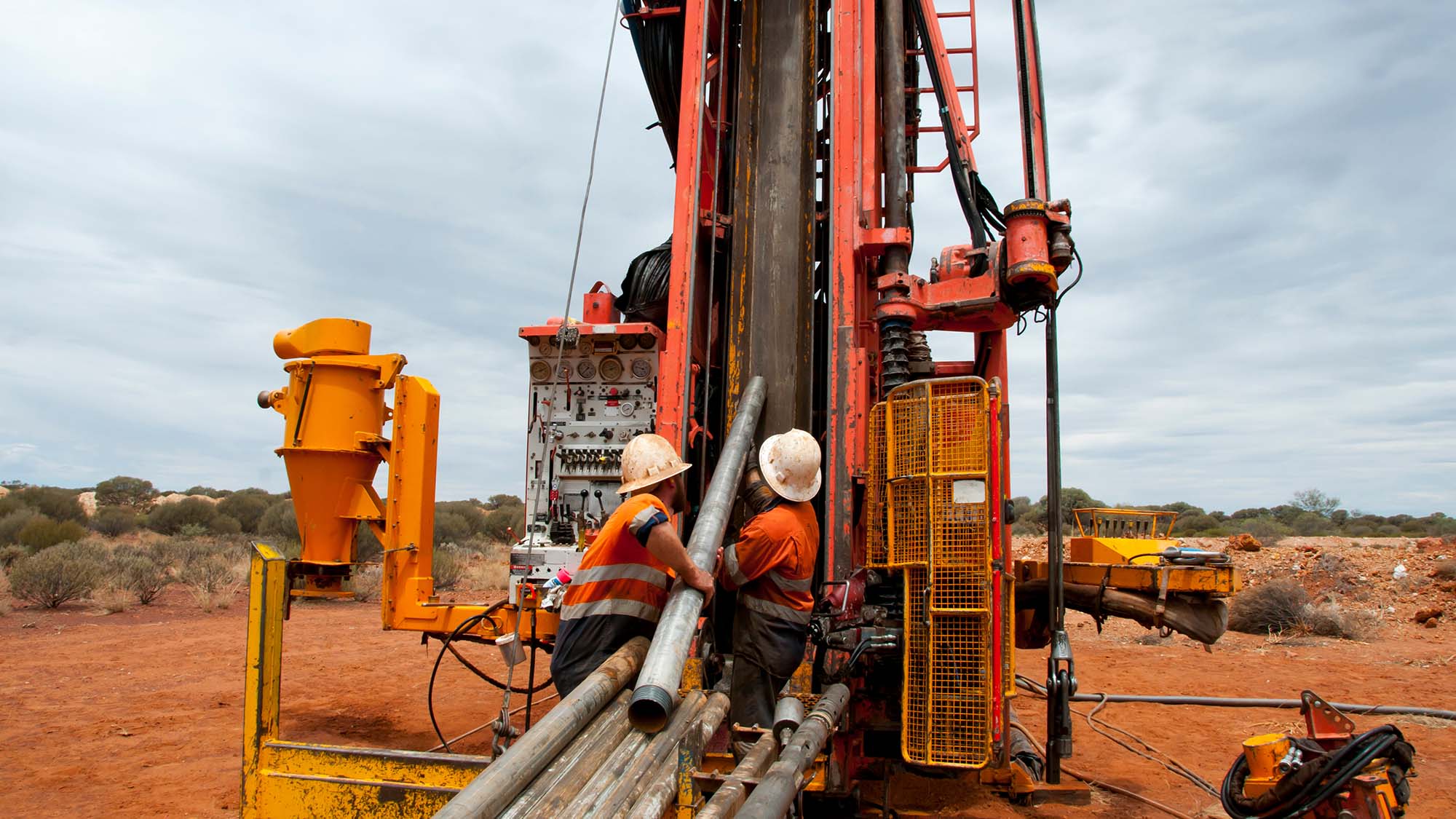
These energy savings translate directly into reduced greenhouse gas emissions and lower production costs, giving recycled metals a clear economic edge. Mining, by contrast, involves capital-intensive processes like extraction, ore processing, and smelting, which carry both financial and environmental costs.
Beyond energy savings, recycled metals may also offer price stability compared to mined commodities, which are subject to fluctuations due to geopolitical tensions, trade restrictions, and supply chain disruptions.
For instance, in recent years, the prices of key industrial metals such as copper and nickel have seen sharp spikes due to supply shortages and geopolitical uncertainty. In contrast, metals recovered through recycling programs can often be sourced more predictably and locally, reducing exposure to global market volatility, according to S&P Global.
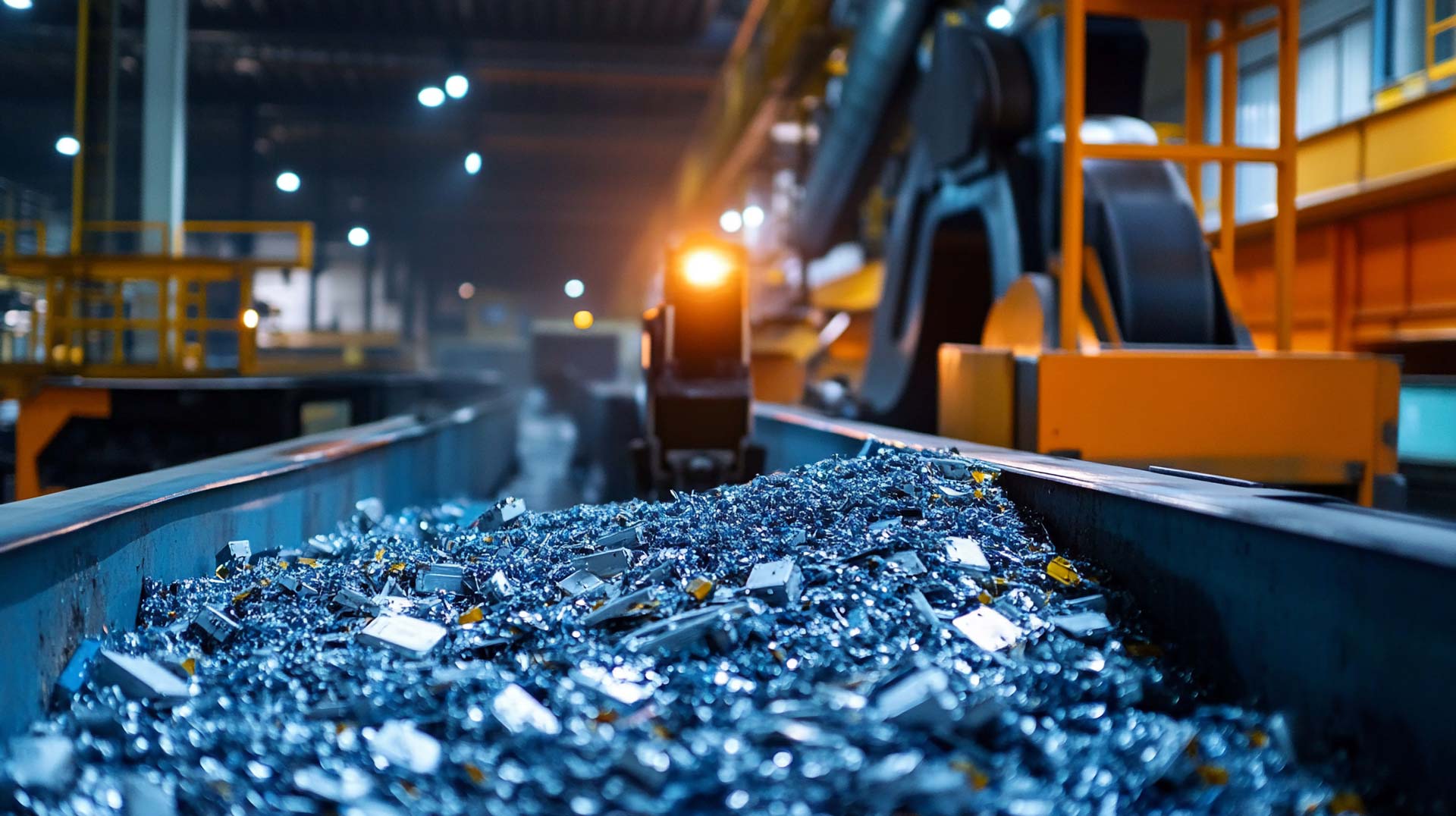
Advances in technology have also made metal recycling more efficient and economically viable. Innovations in sensor-based sorting, machine learning algorithms, and automation have improved recovery rates and the purity of recycled materials.
These technologies may help recyclers reduce contamination, increase throughput, and produce higher-value outputs that meet industrial client specifications. These improvements are enabling recycled metals to be used in more demanding applications, such as in electric vehicle batteries, high-performance electronics, and aerospace components.
Urban mining is another emerging trend that demonstrates the evolving landscape of commodity recycling. Countries like Taiwan are leading initiatives to recover metals from electronic waste and aging infrastructure, creating new supply chains from discarded goods.
A 2024 TIME Magazine article highlighted Taiwan’s success in using urban mining to reduce dependence on imported raw materials and support a circular economy model.
Within the broader context of metal recycling, battery recycling has become a priority, especially with the rapid growth of the electric vehicle (EV) sector.
Lithium-ion batteries, which are the dominant power source for EVs, contain valuable and finite materials such as lithium, cobalt, nickel, and manganese – some of which come from regions with significant environmental and ethical concerns tied to mining.
As EV adoption accelerates globally, the volume of end-of-life batteries is expected to surge. According to the International Energy Agency, battery recycling could supply up to 10% of lithium, 25% of cobalt, and 35% of nickel demand by 2040, assuming aggressive collection and recycling practices are adopted.
Companies such as Redwood Materials, Li-Cycle, and Glencore are investing heavily in battery recycling infrastructure to meet this future demand. In Australia, Livium (ASX:LIT), Neometals (ASX:NMT) and Redivium (ASX:RIL) are amongst those companies seeking to commercialise recycling opportunities.
These firms are developing closed-loop systems that recover critical metals from used batteries and reintegrate them into the supply chain, significantly reducing the need for new mining.
The economics are compelling: recycling lithium-ion batteries can recover 95% or more of the contained metals, and the cost of recovering these materials is increasingly competitive with raw material extraction, particularly as battery-grade materials become more expensive and harder to source.
Moreover, governments are stepping in to mandate battery recycling and support infrastructure development. The European Union’s Battery Regulation, which came into effect in 2023, requires minimum levels of recycled content in new batteries and sets ambitious collection targets for end-of-life units.
Similar regulatory frameworks are emerging in the United States and China. These policies aim to ensure that the rapidly growing EV sector does not create a parallel environmental burden but instead helps drive the shift to a circular economy.
In summary, commodity recycling is no longer simply a waste management issue but is emerging as a key component of industrial strategy. The sector is set to play a pivotal role in shaping the future of sustainable materials sourcing. Whether this has any impact on new mineral deposits coming online in the resources sector remains to be seen.