
On paper, Australia’s mineral exploration engine is humming, with Australian Bureau of Statistics data showing quarterly expenditure routinely tops $1 billion in the chase for commodities to power the global energy grid and high-tech supply chains. But behind the headline figures, operational realities mean significant capital raised in equity markets isn’t reaching the drill bit.
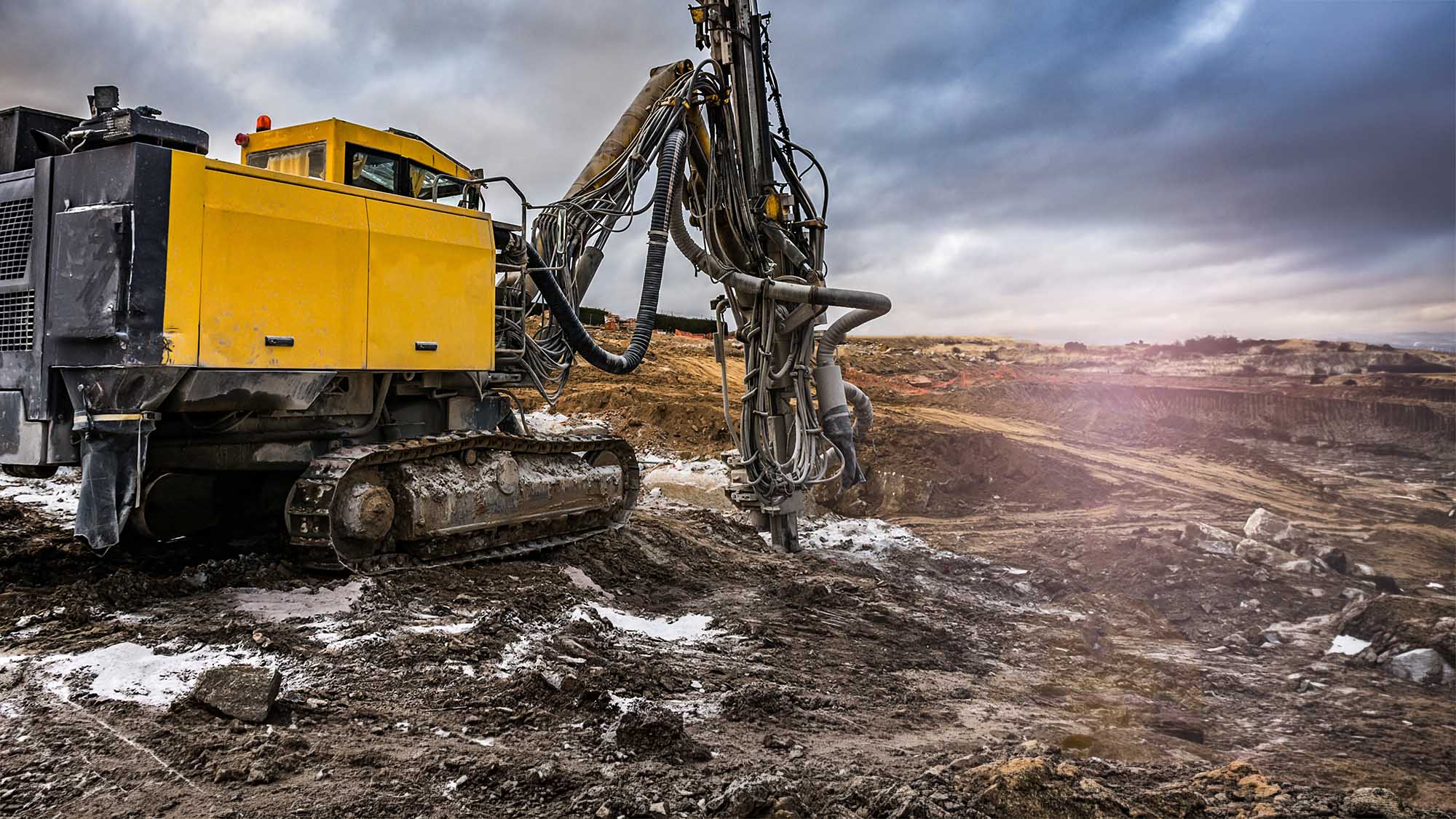
Locked up by cash-rich majors securing long-term fleet contracts, high-spec drill rigs and experienced crews have become a major bottleneck across the sector. As day-rate inflation, mobilisation fees, heritage surveys, and permitting costs eat into junior balance sheets, the sector faces a troubling structural issue where more money is chasing fewer metres in the ground, threatening to stall the next wave of discoveries just when global demand requires them most.
For the junior explorer, the cost of simply turning up has never been higher. Before a single metre of core is pulled, management teams are forced to allocate a disproportionate slice of their treasury to non-productive overheads. Non-negotiable exploration imperatives including heritage clearances and environmental permitting are experiencing unprecedented bureaucratic lag. Meanwhile, drilling contractors, backed by significant pricing power in a supply-constrained market, are imposing higher standby rates and mobilisation fees. The result is a steepening “cost per discovery metre,” shifting the risk-reward ratio against small-cap entities.
This operational bottleneck directly threatens news flow, the lifeblood of the ASX speculative resources sector. When rig delays become protracted, market momentum evaporates. Highly anticipated drilling campaigns are frequently pushed back, prompting impatient capital to rotate out of structurally sound projects simply due to timeline fatigue. This creates a frustrating disconnect between intrinsic project value and market capitalisation, punishing directors who are at the mercy of contractor schedules rather than geological failure.
Navigating this structural headwind requires a fundamental shift in capital deployment. For cash-conscious juniors, the era of going it alone on early-stage greenfield targets is becoming increasingly challenging. Forward-thinking boards are moving toward operational pragmatism and regional consolidation. By sharing camp infrastructure, pooling rig contracts, and aligning heritage surveys with neighbouring tenements, companies can effectively amortise their fixed overheads.
Furthermore, there is a necessary return to rigorous, pre-drilling target generation. Advanced geophysics, deep-sensing geochemistry, and AI-driven predictive modelling are becoming essential risk-mitigation measures. Management teams must ensure that when a rig is finally secured at premium rates, the geological strike rate is maximised.
Ultimately, the narrative of the Australian resources sector is bifurcating. The macro investment thesis for critical minerals, copper, and gold remains exceptionally strong, underpinned by looming global supply deficits. However, gaining exposure to this thematic now requires a highly discerning approach to stock selection.
Investors must look beyond pure geological potential and interrogate the operational execution of the companies they back. In today’s inflationary environment, capital-efficient management teams with the strategic foresight to secure rigs, fiercely control overheads, and actually deliver the drill bit to the target will be rewarded.