What role will Australia play in the critical minerals space?
Growing resource nationalism, increased defence spending, geopolitical conflicts, artificial intelligence, data storage and the global energy transition are all shaping demand for critical minerals.
Meanwhile, we’re in a period of great power rivalry between the US and China and other emerging powers – yet this exists with a deep interdependence thanks to decades of globalisation, a critical minerals forum in Perth was told this week.
Critical minerals are integral because they’re simultaneously an economic priority, an energy and climate policy issue and a national security matter, Project Blue founder Dr Jack Bedder said.
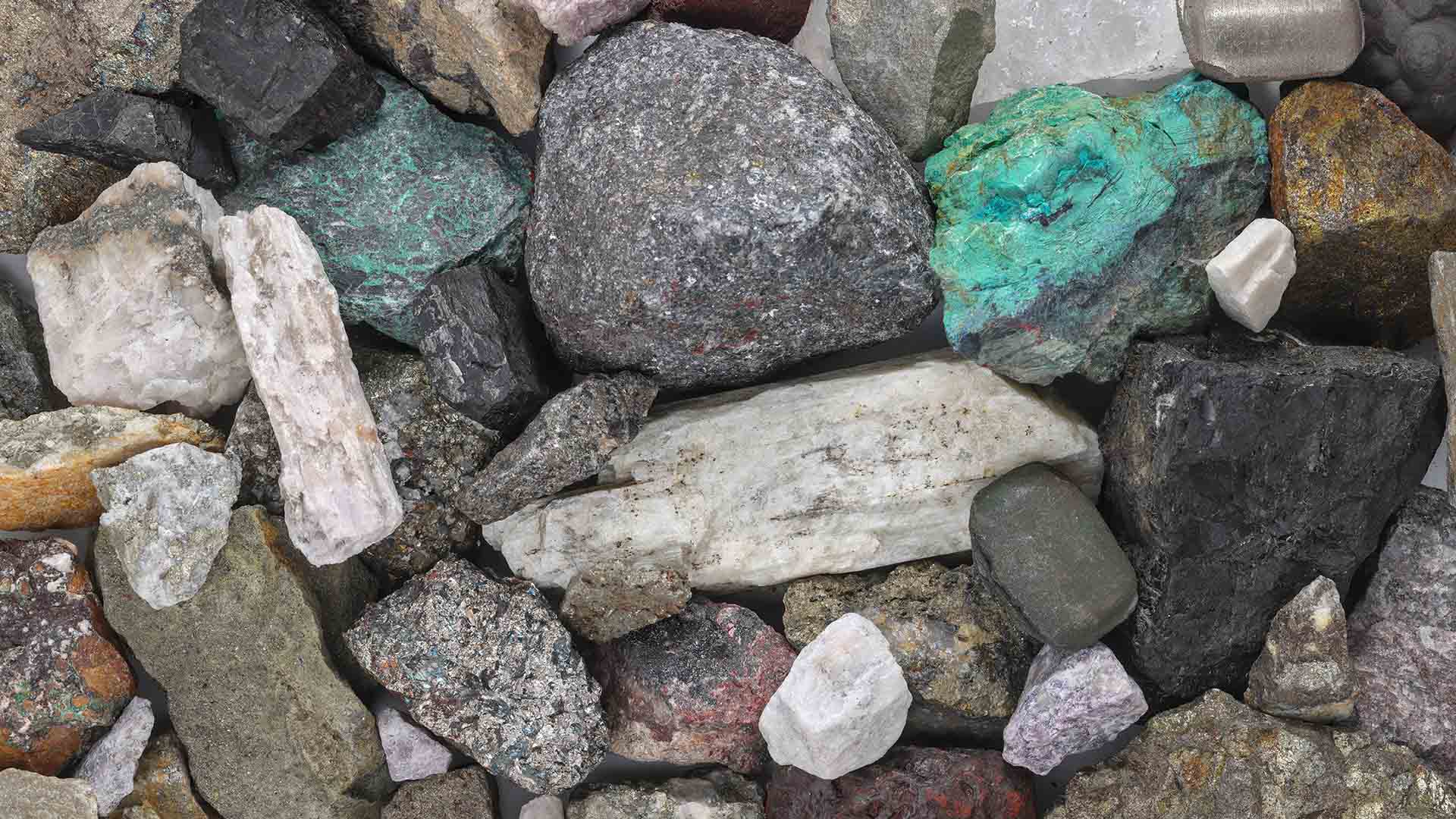
As for what constitutes critical minerals, this differs between jurisdictions. Australia’s list contains 31, including antimony and gallium, but not copper which some consider critical to defence applications. The US added copper to its list this year, along with nine other minerals including metallurgical coal and uranium, taking its total to 60.
Australia “is home to much of the periodic table of critical minerals and rare earth metals” as Prime Minister Anthony Albanese has said, and the country is leveraging its prospectivity in partnerships with jurisdictions including the US and the European Union.
Under the framework signed with US president Donald Trump last month, Australia and the US plan to deliver a secured supply chain for critical minerals and rare earths, and each invest US$1 billion towards a pipeline of projects.
Just this week, the Australian government signed a declaration of intent with the European Investment Bank to strengthen cooperation on critical raw materials, building on an earlier MOU with the EU.
The country is also strengthening critical mineral ties with India, Japan, Korea, Canada and others.
Australia is currently the largest global producer of lithium and a top five producer of rare earths but is yet to shine in midstream or downstream processing, where China dominates. Its control of the rare earths supply chain has been a focal point in the US-China tit-for-tat trade tensions, although recent talks led to certain trade restrictions being suspended for a year, including China’s planned expanded REE export controls which had been announced a month earlier.
So can Australia capitalise on its geological advantage by being globally competitive? No, according to forum panellist and co-founder of Money of Mine, Travis Ricciardo, who described Australia as “empirically uncompetitive”.
He said the country had uncompetitive energy prices, lengthy permitting times and had willingly exported industrialisation and emissions to China. We want downstream capacity and industrialisation of rare earth separation and need policy settings to enable a low cost, internationally competitive environment to make that happen, he said.
However the country must be doing something right, UWA adjunct lecturer and CEO of Australian Vanadium Graham Arvidson said. He pointed to Australia’s emergence as a dominant lithium producer over the past decade – while his home country of Canada arguably had better geology but zero new lithium production coming online in the same timeframe.
With the political will and government funding available, increasing demand for critical minerals could also push prices high enough to attract private capital investment. But for Australia to move from digging and shipping to becoming a downstream processing powerhouse, there needs to be a long-term approach to ensure change beyond the current commodity and election cycles.