Akin to springtime blossoming, there’s a budding uptick in initial public offerings on the Australian Securities Exchange.
A leading Perth-based industry figure commented recently that after a quieter period, he was now working on six IPOs for the second half of 2025.
Last year on the ASX, $4.1 billion was raised in IPO capital across 67 listings, a near three-fold increase from 2023 but still below the $4.9 billion five-year average.
After a “dismal start” to 2025 in terms of mining IPOs, there were six new IPOs and a backdoor listing of resource companies across June and July and “the dawn of the next mining boom appears much closer,” Lion Selection Group MD Hedley Widdup said in Lion’s latest quarterly.
At the time of writing, the ASX had 10 companies that had made applications intending to list over the next four to six weeks.
A large, upcoming resource company IPO not yet on the list is Ivanhoe Atlantic. President and CEO Bronwyn Barnes told the WA Mining Club in August that she’d like to launch by December. The Robert Friedland-backed company’s key asset is the Kon Kweni iron ore project south of Simandou in Guinea.
Along with the uptick in IPOs, there’s been a spate of mergers and acquisitions, encouraging indicators of liquidity which signal the boom is nearer than thought, Widdup said.
At the big end of town, Northern Star completed its $5 billion takeover of De Grey Mining in May and Gold Fields is expected to finalise its $3.7 billion takeover of Gold Road Resources within weeks. Elsewhere, Brightstar Resources is acquiring Aurumin to consolidate gold assets at Sandstone, while Xanadu Mines left the ASX a few weeks ago after the successful off-market takeover by Bastion Mining.
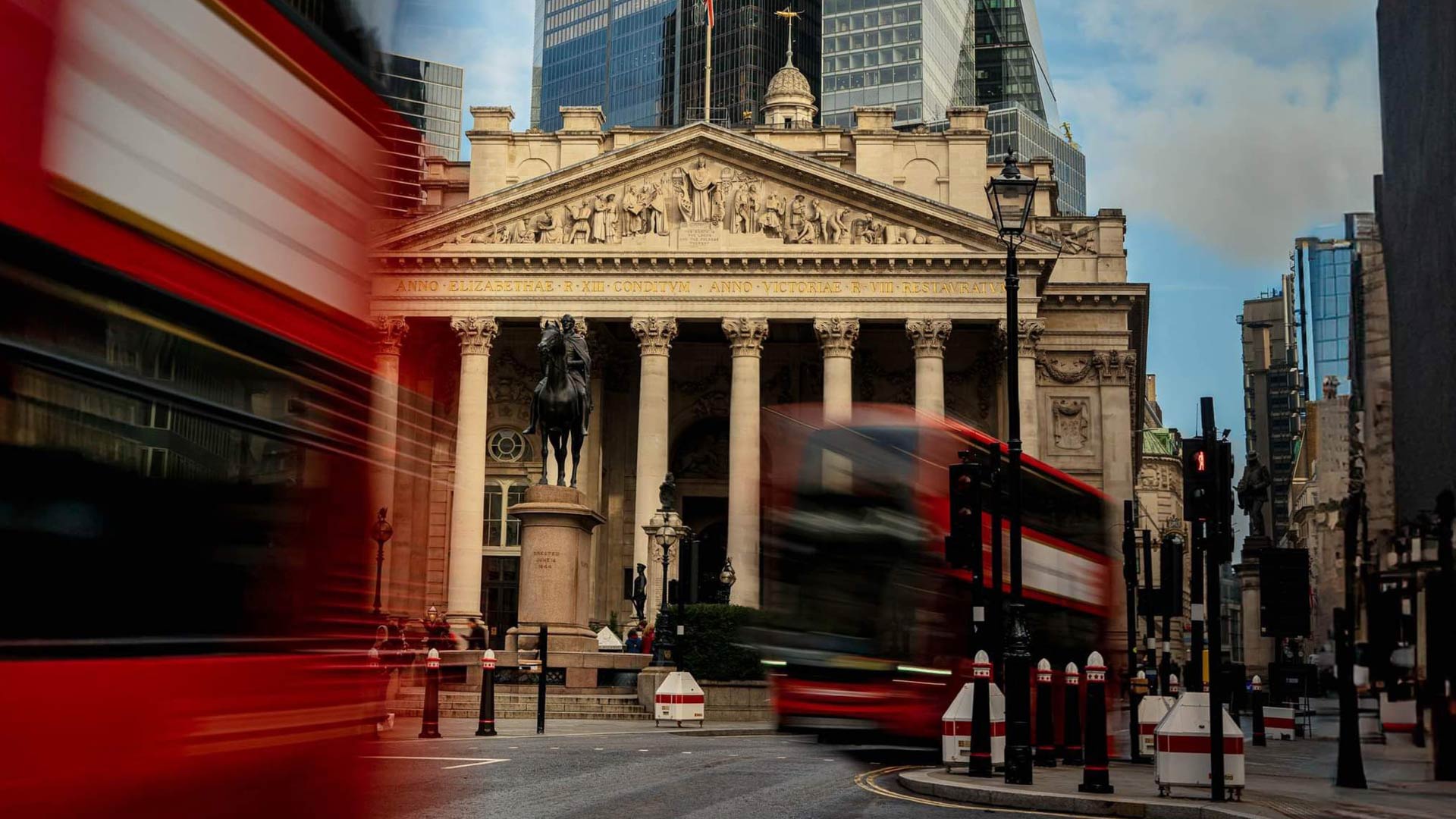
Amid the market uplift, the London Stock Exchange Group presented in Perth last week to garner support for the traditional financial capital.
London has experienced a dwindling number of IPOs in recent years – just 17 in 2024 – along with delistings and lower liquidity.
But the headlines don’t capture the long-term resilience and attractiveness of the UK economy, British Consulate-General Perth investment manager Finty Clowry Steele told the gathering.
Post-BREXIT, the government has slashed red tape around fundraising, Bird & Bird partner Michael Dawes said, adding it was now easier to list and to raise public and private money in the UK. Dawes, a capital markets lawyer who has travelled frequently to Perth for work over the past two decades, noted London’s main market had a new “no frills” category for dual listings and listed companies could now conduct retail offers without a prospectus.
And more reforms are on the way, LSEG head of South East Asia and Australasia Thom Abbott told the event.
The US is the top country in terms of capital raised year-to-date, with the UK in fifth position just ahead of Australia. However London has been the largest venue in Europe for two decades, Thom said. And London liquidity is comparable with the US, Abbott argued, using an 18-month average daily free-float adjusted turnover ratio by index.
“There’s still a lot of money people can access,” he said. “The changes have been positive.”
It requires a dedicated effort and networking to ensure success in London, Perth-based MD of AIM-listed Empire Metals Shaun Bunn said, as the titanium-focused company passed the £400 million market capitalisation mark.
London, they say, is open for business.