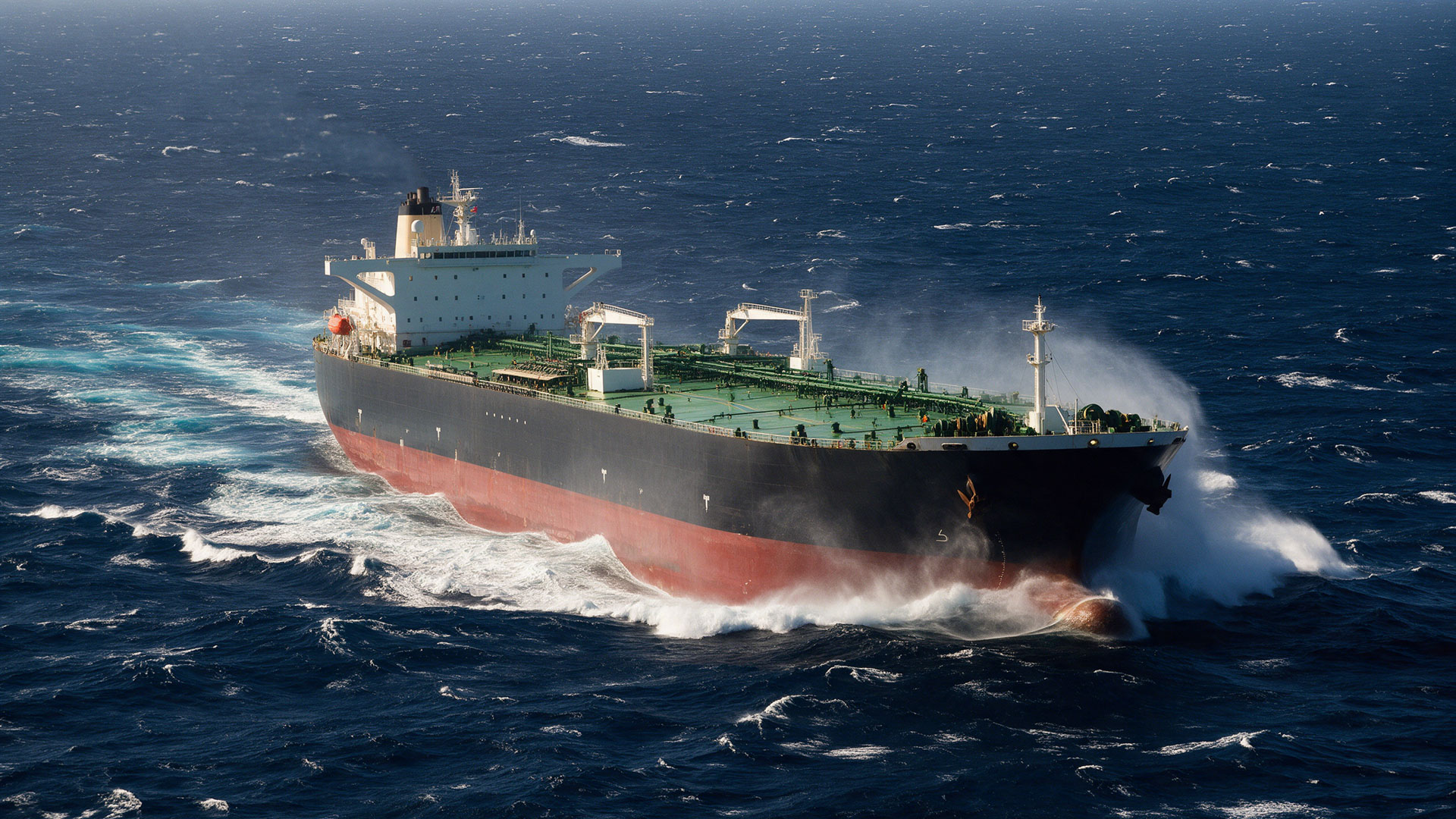

The reporting season is revealing how miners are being impacted by rising fuel prices due to the continued disruption in the Strait of Hormuz.
For the world’s biggest gold miner, strong production and an increased copper price helped buffer the impact of rising diesel costs.
Newmont said it was on track to achieve full-year production guidance of 5.3 million attributable gold ounces when it released its third quarter results this month.
Its gold by-product costs applicable to sales decreased 20% to US$832/oz and all-in sustaining costs (AISC) were $1,454/oz for the quarter, primarily driven by higher gold and co-product volumes, as well as higher realised copper pricing.
These decreases were partially offset by lower silver pricing and higher diesel prices, Newmont said.
Mining behemoth BHP also noted the impact of increased fuel costs in its third quarter operational review.
“Global markets remain volatile, with geopolitical tensions, trade uncertainty and elevated energy and freight costs continuing to create headwinds across the industry,” CEO Brandon Craig said.
“At the same time, demand for commodities remains resilient, supported by continued industrialisation and urbanisation in China and India, alongside unprecedented investment in data centres and enabling infrastructure globally, which is reinforcing the long-term outlook for copper.”
Copper remains around US$14,500/t, a third higher than 12 months ago and near the all-time high of $14,850/t reached in August.
The rising price and a valuable by-product have helped copper producer Ivanhoe Mines, as founder and co-chairman Robert Friedland said during the release of its second quarter results.
“Despite elevated global diesel prices during the quarter, the impact on our operating costs has been well contained,” he said.
“Our world-class smelter at Kamoa-Kakula provides a natural hedge while flows through the Strait of Hormuz remain constrained.”
He said revenues from sulphuric acid sales covered the smelter’s operating costs during the period.
“With sulphuric acid prices increasing by a further 80% into the third quarter, this extremely valuable by-product credit will provide a strong tailwind for Kamoa-Kakula for the foreseeable future,” he said.
Ivanhoe will issue its latest financial results on November 3, while major Barrick Mining will also report its third quarter results next month.
Fellow major Rio Tinto said ongoing disruptions in the Middle East continued to drive volatility in energy and freight markets but its operational impacts were limited.
“Rio Tinto’s fuel availability remained adequate, supported by inventory buffers and alternative sourcing,” the company said in its third quarter production results.
“Conditions in the Strait of Hormuz remain highly volatile, and we continue to monitor developments and maintain contingency plans for further disruption.”
Of course, the impact has been greater at the smaller end of the market.
A recent World Gold Council report said West Australian miners came under particularly significant pressure, with some smaller operations reportedly suspending activity because of fuel constraints.
The average diesel price in the US ended June 54% higher than the previous quarter, while wholesale diesel prices in Perth almost doubled over the period, the report stated.
With no end in sight to the conflict, continuing supply chain disruptions will only place further pressure on margins and juniors’ operations alike.